
Understanding Plantar Fasciitis: Causes, Symptoms and Treatment Options
If you’ve ever stepped out of bed and felt a sharp, stabbing pain in your heel or the bottom of your foot, you may have experienced plantar fasciitis. It’s one of the most common causes of heel/foot pain, affecting runners, people who spend long hours on their feet, and anyone whose footwear or daily habits put extra stress on the foot.
What Is Plantar Fasciitis?
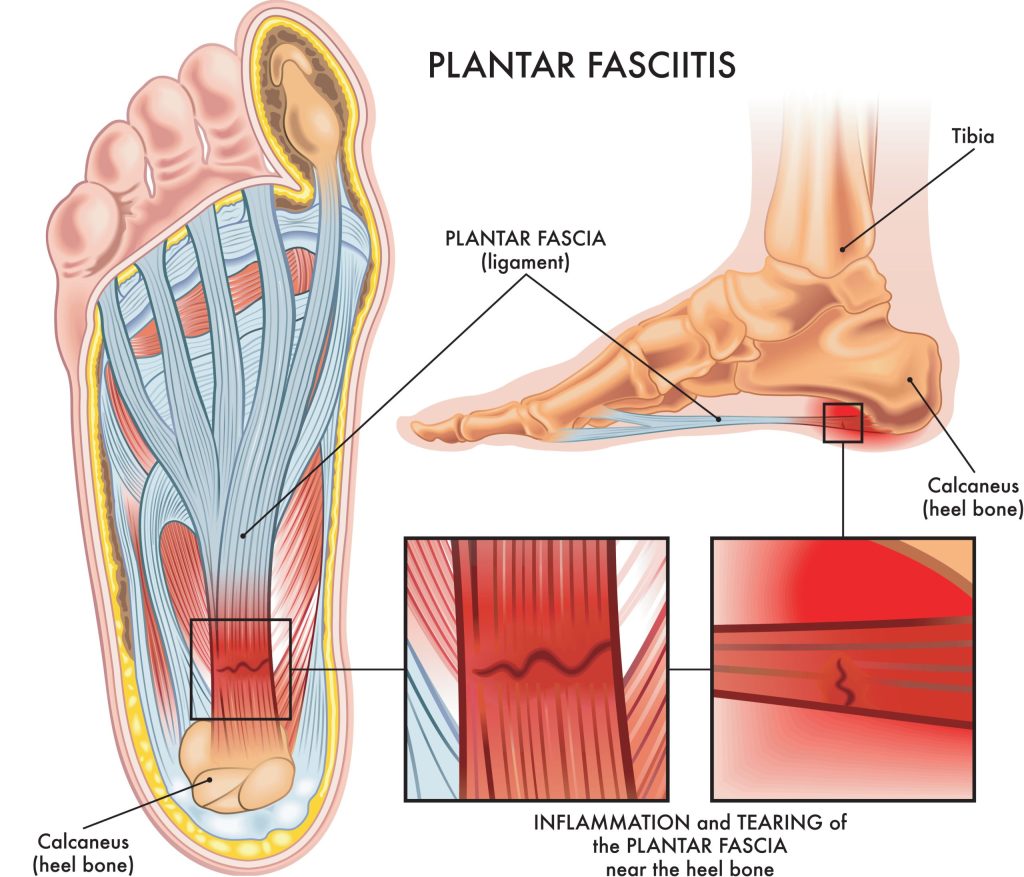
The plantar fascia is a thick band of tissue that runs along the bottom of your foot, connecting the heel bone to the toes. Its job is to support the arch and absorb shock when you walk or run. When this tissue becomes inflamed or irritated—often from overuse or strain—the result is plantar fasciitis.
Key Symptoms:
- Sharp heel or arch pain, especially with the first steps in the morning or after sitting
- Discomfort that eases after a few minutes of walking but can return after long periods of standing or sitting
- Tenderness or swelling near the heel or arch
Several factors can contribute to plantar fasciitis:
- Overuse or sudden increase in activity (long runs, standing shifts)
- Unsupportive footwear, worn-out shoes, and “summer shoes” (flats, sandals, flipflops, etc)
- Foot structure issues, such as flat feet or very high arches
- Tight calf muscles or Achilles tendons
- Weight gain or obesity, which increases pressure on the plantar fascia
Treatment options:
- ESWT (extracorporeal shockwave therapy) to increase blood flow, break down scar tissue and reduce pain. ESWT is non-invasive and can be used in conjunction with other therapies.
- Pulsed Electromagnetic Field Therapy (PEMF) to promote cellular repair helping the fascia to heal faster and reduce inflammation.
- Chiropractic Adjustments to help mobilize the foot, reduce inflammation of the fascia, and help stabilize and strengthen the ankle joint and surrounding tissues.
- Supportive shoes or orthotics to cushion the heel and arch
- Rest and ice to reduce inflammation
- Stretching exercises for the calves and plantar fascia
Bottom Line:
Plantar fasciitis is a common foot condition that is very manageable with intervention and proper care. There are several, non-invasive, treatment options available to help alleviate symptoms and address the cause of the inflammation. Many patients feel relief as soon as they begin treatment and are able to get back to regular activities quickly.